
Pergola Installations on the Sunshine Coast
Built with Skill! Expert Carpentry Services Just a Quote Away!
Pergola Installations
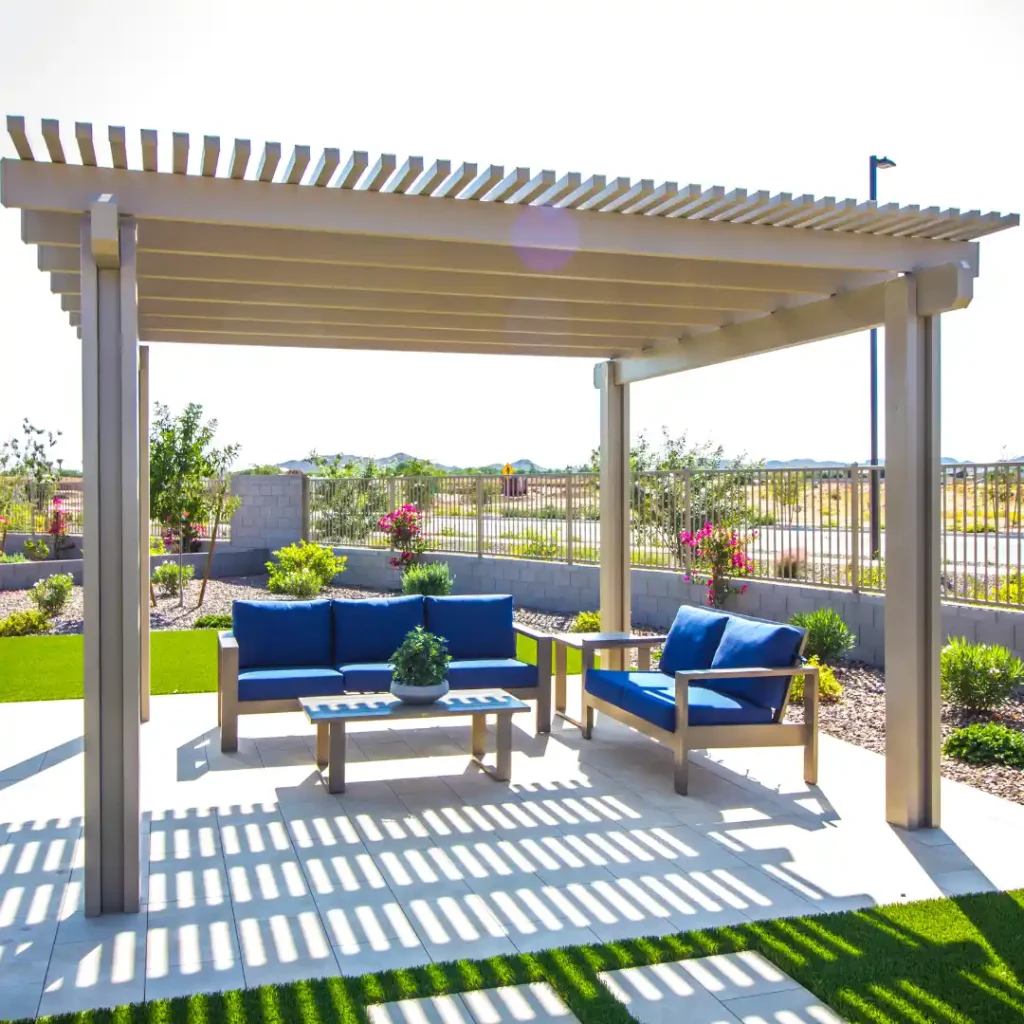
We provide professional pergola installations on the Sunshine Coast, building outdoor structures that improve shade, usability, and outdoor living. Each pergola is designed to suit your home, yard, deck, or pool area, using durable materials, practical layouts, and clean finishes that complement your property.
Whether you’re planning a freestanding pergola, an attached pergola, or a covered outdoor pergola with a roof, our carpentry services focus on structure, function, and long-term usability. Each pergola installation is approached with careful planning, accurate measurements, and construction methods suited to local conditions.
We work with homeowners across the Sunshine Coast (QLD) who want outdoor shade, shelter, and defined outdoor living areas that feel like a natural extension of the home.
Request A Quote
Fill out the form below and we’ll be in touch ASAP.
Custom Pergola Installations Designed for Your Outdoor Space
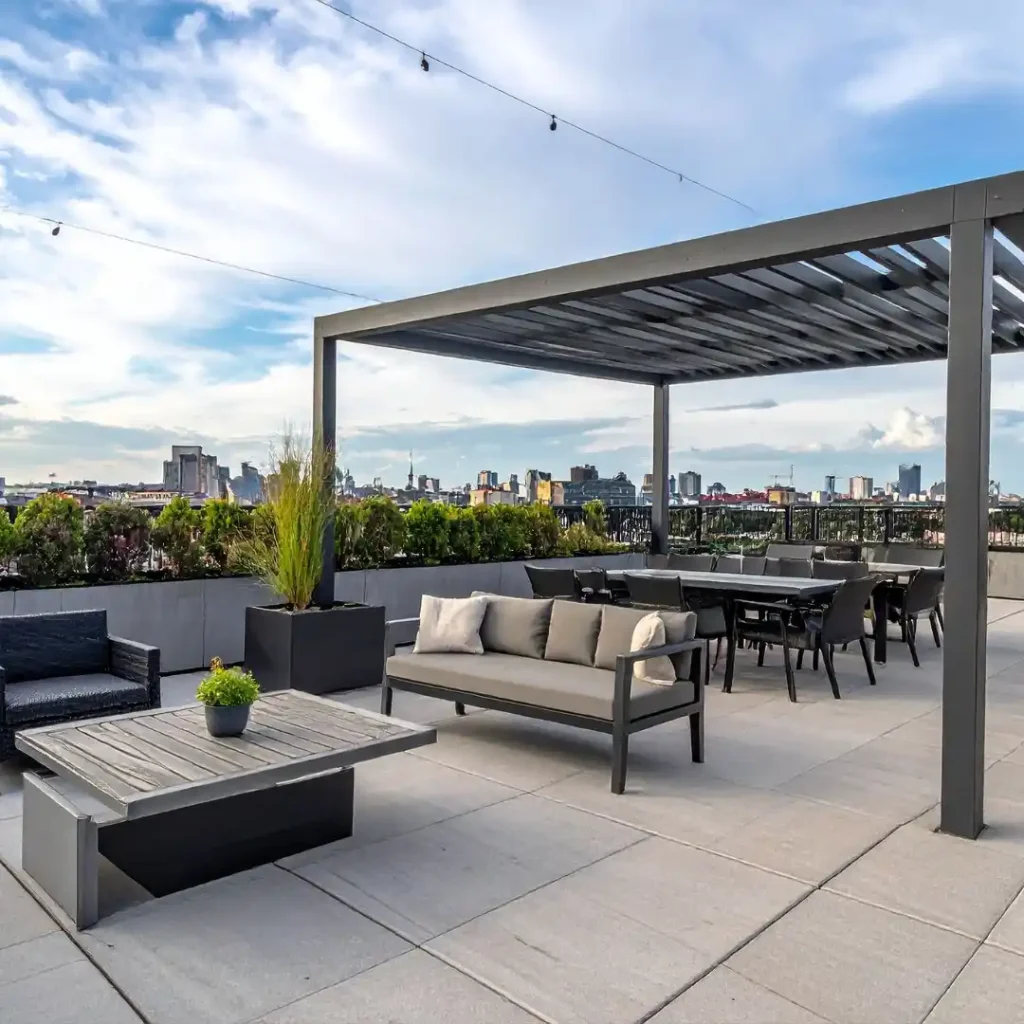
Every property is different, which is why our pergola installations are built to suit your available space, layout, and how you plan to use it. From compact backyard pergolas to larger outdoor entertaining areas, we focus on designs that work practically rather than using one-size-fits-all structures.
Our pergola installation services include:
Custom pergola design and construction
Freestanding pergolas
Pergolas attached to the house
Pergolas over decks and patios
Outdoor pergolas with roof options
Pergola structures for pool areas
Common styles we build include open pergolas, covered pergolas, deck pergolas, and pergolas for patios, depending on how much protection and privacy you need.
Timber, Aluminium & Steel Pergola Construction Options
Choosing the right materials is a key part of any pergola installation. We build pergolas using materials suited to both the design and the environment, allowing flexibility for different budgets and visual preferences.
Timber pergolas
Timber pergolas remain a popular option for outdoor spaces due to their natural appearance and versatility. We build:
Timber pergolas for gardens and backyards
Timber pergolas with roof panels
Pergolas with hardwood or treated pine posts
Timber pergolas attached to decks or patios
Aluminium pergolas
Aluminium pergola installations are ideal for low-maintenance outdoor structures. These are commonly chosen for:
Modern outdoor pergolas
Aluminium pergolas with roof panels
Pergolas for patios and alfresco areas
Coastal-friendly outdoor structures
Steel frame pergolas
Steel pergolas provide additional strength and are suitable for larger spans or heavy-duty pergola designs, including pergolas with roof systems or integrated shade structures.
Each pergola installation is constructed with proper footings, secure framing, and durable fixings to ensure stability and longevity.
Pergola Installations for Decks, Patios & Pool Areas
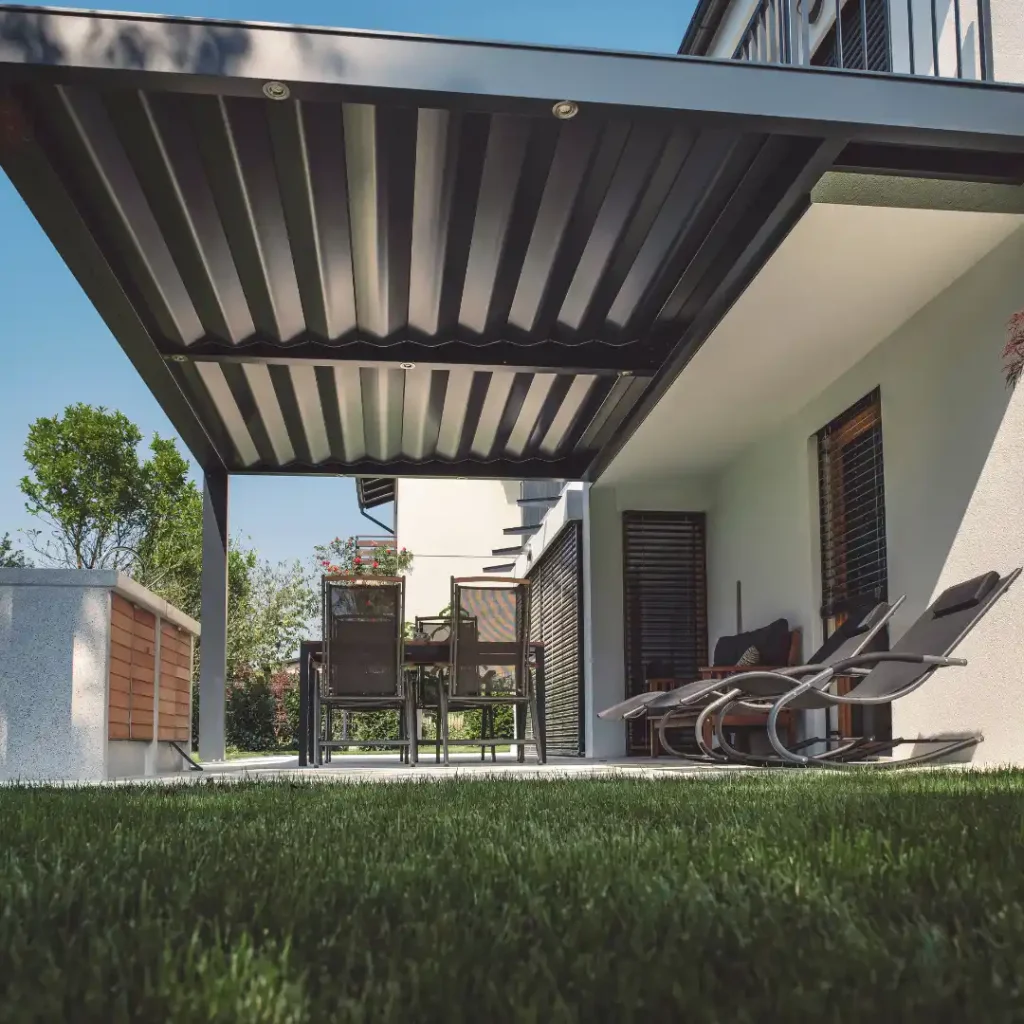
Pergolas are often installed to create shade over specific outdoor zones. We can complete pergola installations for:
Pergolas over decks
A pergola over a deck helps define the space while adding shade and weather protection. This includes:
Pergolas built on existing decks
Pergolas attached to deck structures
Covered deck pergolas with roof panels
Pergolas for patios
Patio pergolas are ideal for outdoor dining and entertainment areas. Options include:
Patio pergolas with open or roofed designs
Pergolas connected to the home
Outdoor patio pergolas with shade screens
Pool pergolas & poolside shade structures
Pergola installations around pool areas provide relief from direct sun while maintaining airflow.
We also build pergolas that integrate with outdoor screens, privacy panels, and roofing systems to create comfortable outdoor living spaces year-round.
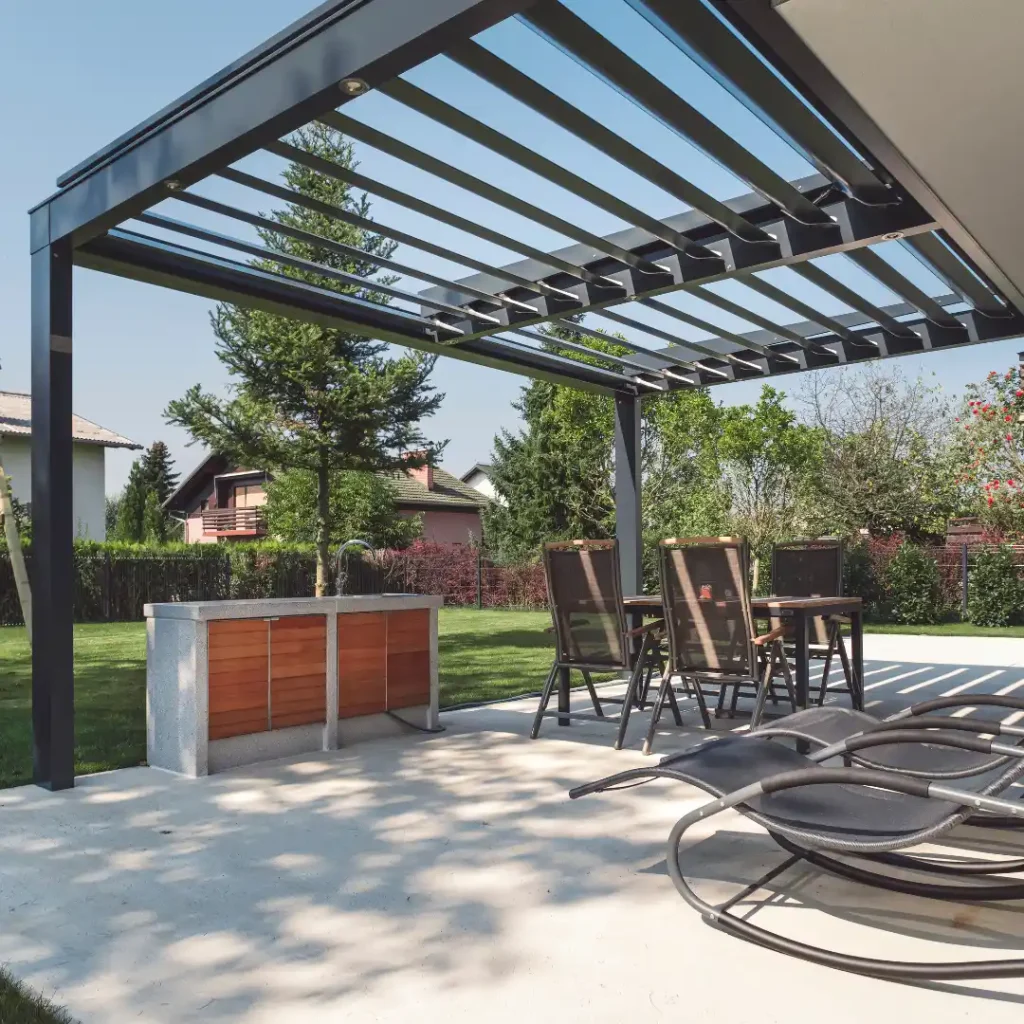
Pergola Roof Options & Outdoor Shade Solutions
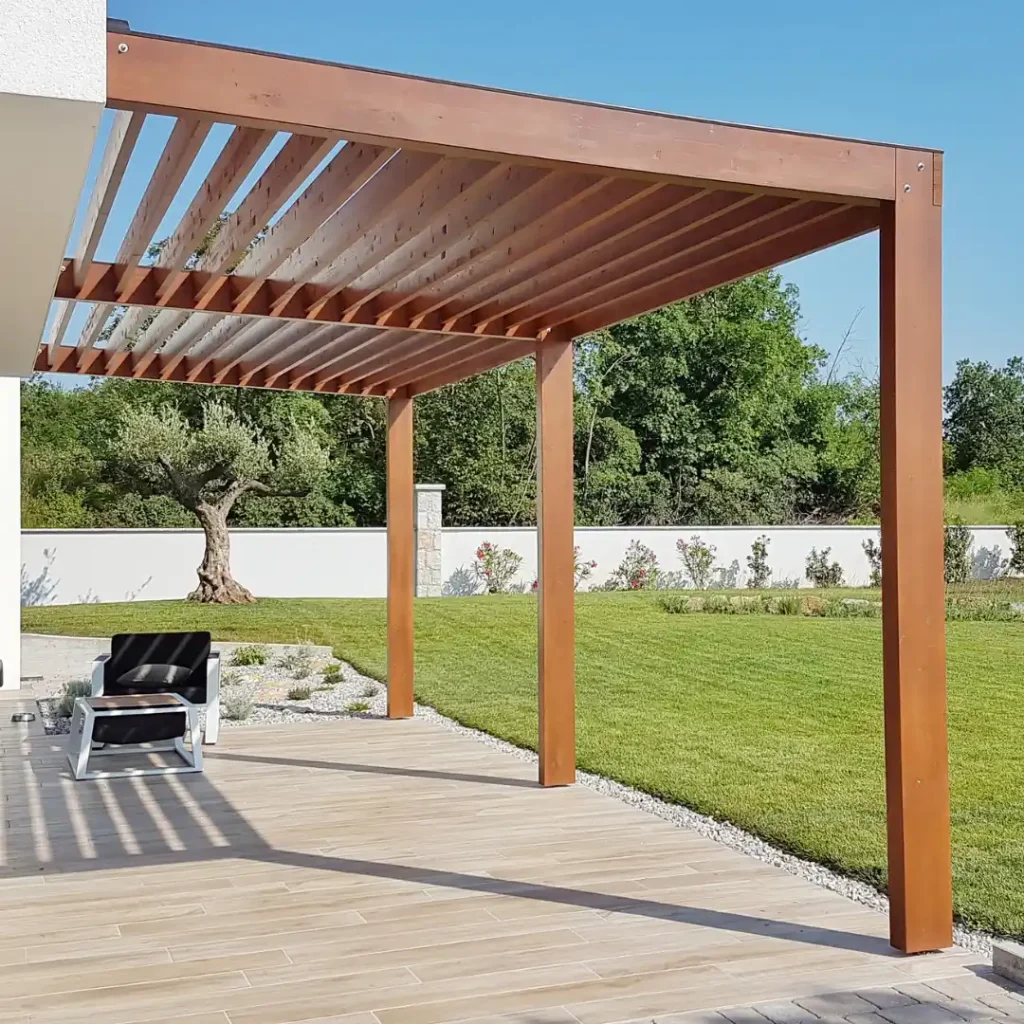
Adding a roof to your pergola can significantly improve usability. We install a range of pergola roof options depending on the level of coverage you want.
Roofing options include:
Polycarbonate pergola roof panels
Insulated patio roof panels
Metal roofing for pergolas
Pergola roofs for decks and patios
Roofed pergolas help protect outdoor furniture, reduce heat exposure, and allow outdoor use during light rain. We also install pergolas designed for future roof upgrades if you want to start with an open structure.
Additional shade solutions include:
Outdoor shade screens
Privacy screens for pergolas
Pergola shade panels
Outdoor awnings for patios and decks
Pergola Installation Process & What to Expect
A structured pergola installation process helps outline the typical stages involved from planning through completion.
Initial discussion – The space, preferred style, size, and intended use are reviewed
Design planning – The layout, structure type, and material selections are defined
Site preparation – Footings, ground levels, and connection points are prepared
Pergola construction – Posts, beams, rafters, and roof components are installed
Final adjustments – Finishing details and structural checks are carried out
This process can be applied to pergola projects intended for entertaining, relaxation, or general outdoor use, with consideration given to space, structure, and functionality.
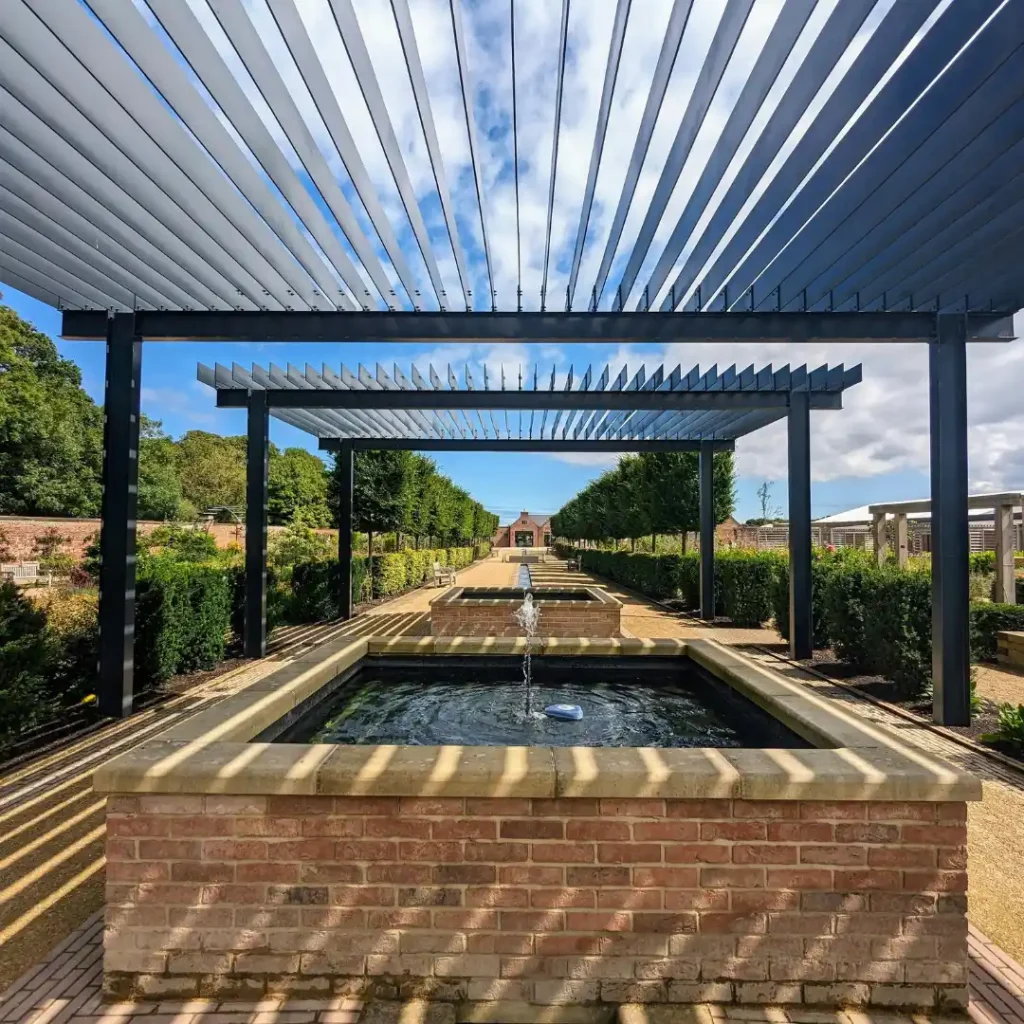
Pergola Installation Costs & Getting Started
The cost of pergola installations varies depending on:
Size of the pergola
Material selection (timber, aluminium, steel)
Roof type and coverage
Ground conditions and installation complexity
Whether the pergola is freestanding or attached
Rather than generic pricing, we provide pergola installation solutions based on your specific requirements. This ensures you’re paying for a structure that suits your space, not unnecessary extras.
If you’re looking for pergola installations on the Sunshine Coast, pergola builders, or custom pergolas, Sunshine Coast Carpentry can help you plan and build an outdoor structure that adds real functionality to your home.
Get in touch today to discuss your pergola installation and explore design options for your outdoor space.
Choosing the Right Pergola Type for Your Property and Lifestyle
Selecting the right pergola type is one of the most important steps before starting a pergola installation. The layout of your property, how you use your outdoor space, and the level of shade or shelter you need will all influence the best pergola structure.
A freestanding pergola works well for open yards, garden areas, or pool zones where no existing structure is available for attachment. These pergolas are commonly used as outdoor entertaining spaces, pool pergolas, or standalone shade structures. They can be positioned for optimal airflow and sun control without relying on the house for support.
An attached pergola connects directly to the home and is often used over patios, alfresco areas, or decks. This type of pergola creates a seamless transition between indoor and outdoor living, making it ideal for dining spaces and covered walkways. Many homeowners choose an attached pergola with a roof to improve year-round usability.
Pergolas over decks require additional planning due to load distribution and existing framing. A deck pergola can be open or roofed and may include privacy screens, shade panels, or outdoor roofing sheets depending on sun exposure.
Other common pergola styles include:
-
Open pergolas for light shade and airflow
-
Covered pergolas with polycarbonate or insulated roof panels
-
Pergolas for patios and outdoor kitchens
-
Pergolas designed specifically for pool areas
Choosing the right pergola structure ensures better comfort, longer lifespan, and improved use of your outdoor living area.
Pergola Materials Explained: Timber, Aluminium, and Steel
Pergola materials directly affect durability, maintenance, appearance, and long-term performance. Understanding the differences helps property owners choose the most suitable option for their pergola installation.
Timber pergolas are widely used due to their natural appearance and flexibility in design. Timber works well for traditional homes, garden pergolas, and outdoor entertaining areas. Popular options include treated pine and hardwood, both commonly used for pergola posts, beams, and frames. Timber pergolas can be left natural, stained, or painted, but they do require periodic maintenance to protect against weather exposure.
Aluminium pergolas are a low-maintenance alternative that suits modern outdoor spaces. Aluminium pergola frames resist corrosion and are often paired with insulated or polycarbonate roof panels. These pergolas are commonly used for patios, alfresco areas, and coastal properties where reduced upkeep is preferred.
Steel pergolas offer additional strength and are suitable for larger spans, heavy-duty pergolas, or structures requiring greater load support. Steel frames are often used for pergolas with roofing systems, carport-style pergolas, or combined deck and pergola structures.
Material selection also affects:
-
Pergola roof compatibility
-
Structural spacing and post size
-
Long-term maintenance needs
-
Overall pergola cost
Choosing the right pergola material ensures the structure performs well in outdoor conditions while meeting design and functional expectations.
Pergola Roofing Options and Shade Control Solutions
Roofing plays a major role in how a pergola performs throughout the year. Some pergola installations are designed for partial shade, while others are intended to provide full weather protection.
Polycarbonate pergola roof panels are commonly used because they allow light through while reducing UV exposure. These panels are available in clear, tinted, and opaque options and are frequently used for pergolas over decks and patios.
Insulated pergola roof panels offer improved temperature control and noise reduction during rain. These are ideal for outdoor entertaining areas that are used year-round and are often installed on patio pergolas and alfresco spaces.
Metal roofing provides full weather protection and is commonly used for pergolas attached to houses or for outdoor structures that function like covered patios.
Beyond roofing, pergolas can incorporate additional shade and enclosure options such as:
-
Outdoor privacy screens
-
Shade panels for pergolas
-
Outdoor awnings for patios and decks
-
Pergola screens for wind and sun control
Combining roofing with adjustable shade solutions allows flexibility depending on weather conditions and time of day. The right combination improves comfort while maintaining airflow and visibility.
Pergola Placement, Council Considerations, and Long-Term Use
Where a pergola is placed can impact comfort, compliance, and long-term usability. Proper positioning helps maximise shade, airflow, and connection to existing outdoor areas.
Pergolas positioned on the north or west side of a property often require more shade control due to sun exposure. Pergolas near pools need careful spacing to maintain visibility and safety. Garden pergolas may prioritise aesthetics and natural integration, while patio pergolas focus on shelter and convenience.
Many pergola installations may be subject to local council guidelines, depending on size, height, location, and whether the structure is attached to the house. Factors that may affect approval include:
-
Overall pergola height
-
Distance from boundaries
-
Roof coverage percentage
-
Footing depth and placement
Planning for long-term use is equally important. Pergolas designed with future upgrades in mind — such as adding roof panels, screens, or lighting — offer greater flexibility. Structures built with adequate spacing, strong footings, and durable materials are easier to adapt over time.
Considering placement, regulations, and future needs ensures a pergola remains functional, compliant, and suitable for changing outdoor living requirements.
Frequently Asked Questions
Carpenters work with timber to build, install, repair, and maintain structural and decorative elements in homes. This includes framing, decking, pergolas, cabinetry, joinery, finish carpentry, and general carpentry repairs.
A carpenter is needed when timber components require professional installation or repair. Common situations include deck repairs, home renovations, pergola construction, custom joinery, timber maintenance, and small carpentry jobs that require skilled workmanship.
Carpenters specialise in timber and wood-based construction, while builders manage entire construction or renovation projects involving multiple trades. Many residential projects only require a qualified carpenter rather than a full building contractor.
Yes. Many local carpenters handle small carpentry jobs such as timber repairs, door and window fixes, deck maintenance, skirting replacement, and general home maintenance carpentry.
Yes. Deck carpenters design, build, repair, and maintain timber decks. This includes new deck installations, deck renovations, structural repairs, and timber refurbishment to improve safety and durability.
Home renovation carpentry can include framing, structural timber modifications, custom cabinetry, joinery, finish carpentry, and repairs. Carpenters play a key role in supporting kitchen, bathroom, and living area renovations.
Finish carpentry focuses on detailed interior timber work such as skirting boards, architraves, doors, trims, stair components, and cabinetry. This type of carpentry improves both functionality and visual appeal.
Custom carpentry and joinery involve designing and building tailored timber solutions such as built-in cabinets, wardrobes, shelving, and storage units. These services are ideal for maximising space and achieving a custom finish.
Yes. Hiring a licensed or qualified carpenter helps ensure carpentry work meets safety standards, building requirements, and proper workmanship practices, especially for structural or renovation projects.
Project timelines depend on the size and complexity of the carpentry work. Small repairs may take a few hours, while decking, pergolas, or renovation carpentry may take several days or longer.
The most common searches for carpenters include decking, pergolas, carpentry repairs, home renovations, custom joinery, finish carpentry, and general maintenance carpentry for residential properties.
Homeowners should look for experienced residential carpenters with relevant skills for their project, clear communication, proper qualifications, and experience in similar carpentry work such as renovations, decking, or repairs.