
Deck Builders Sunshine Coast
Built with Skill! Expert Carpentry Services Just a Quote Away!
We are Deck Builders
If you are planning to upgrade your outdoor area, a well-built deck can completely change how you use your home. At Sunshine Coast Carpentry, we provide professional deck building services across the Sunshine Coast (QLD), delivering functional, durable and visually appealing decks tailored to your property.
As experienced deck builders, we construct timber and composite decks for homes, pool areas, patios and outdoor living spaces. Whether you need a brand-new deck, replacement decking, or decking around a pool, our focus is on building decks that suit the layout and lifestyle of Sunshine Coast homes.
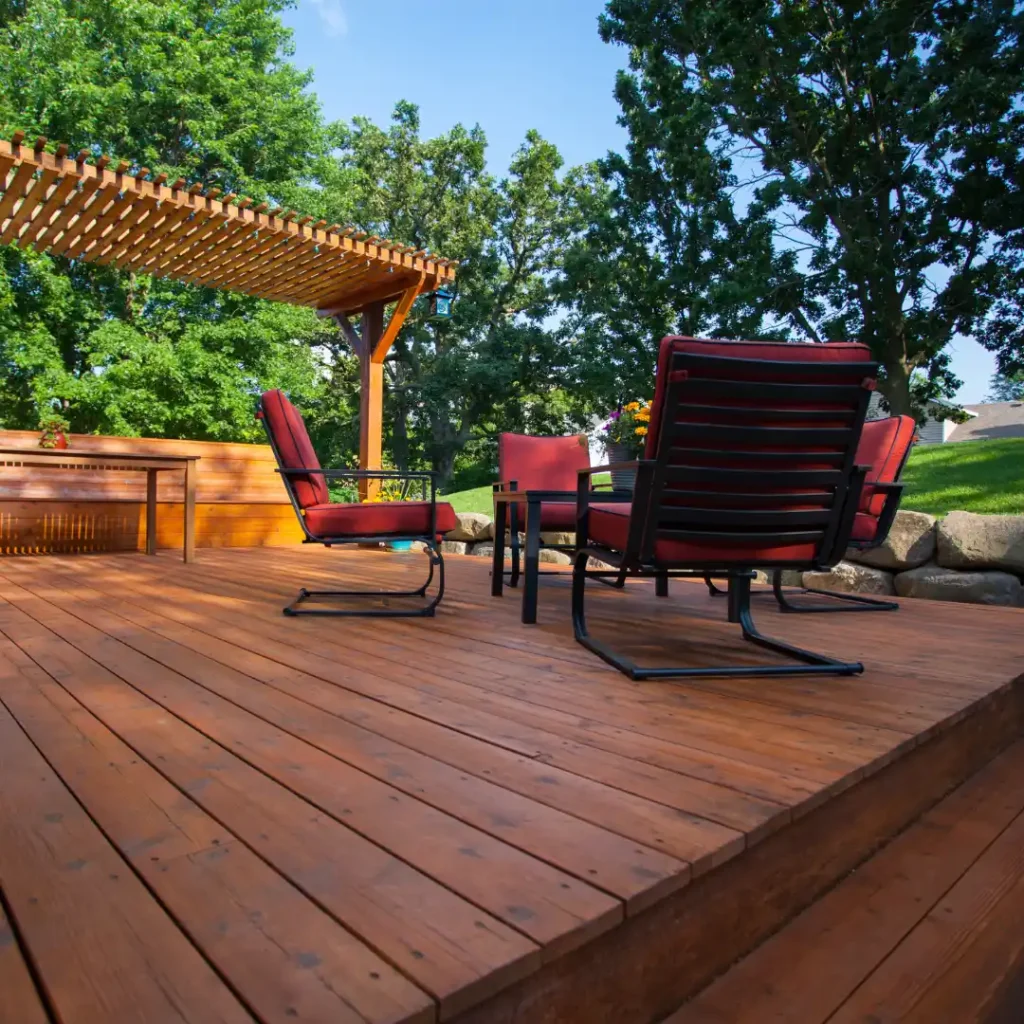
Request A Quote
Fill out the form below and we’ll be in touch ASAP.
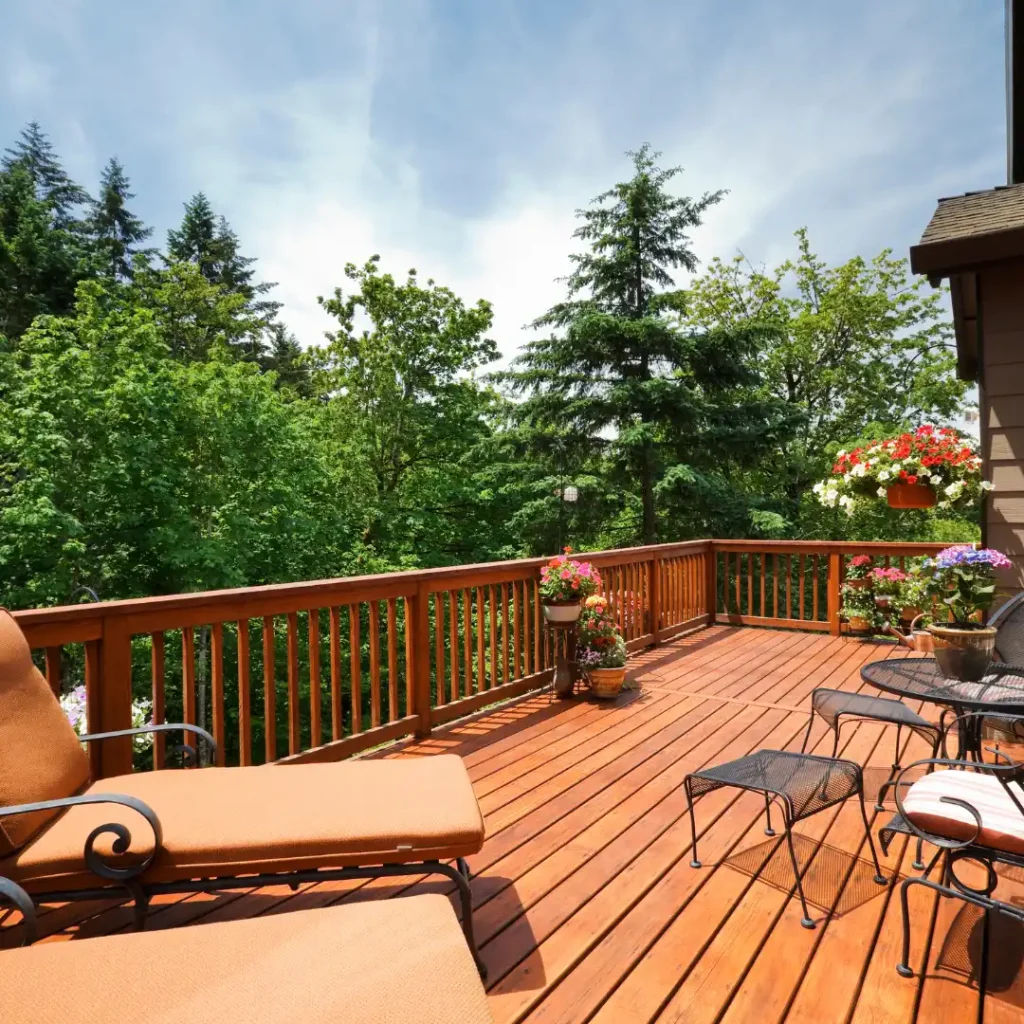
Custom Deck Building Services on the Sunshine Coast
Every home and outdoor space is different, which is why we offer custom deck building services rather than one-size-fits-all solutions. Our deck builders work closely with homeowners to design and build decks that fit seamlessly with existing structures.
Our decking services include:
New deck construction
Custom decks for outdoor living areas
Deck extensions and re-decking
Decks and patios designed together
Elevated decks and ground-level decks
From compact backyard decks to larger entertaining areas, we build home decks that add usable space while improving the overall appearance of your property.
Timber & Hardwood Decking Options
Timber decking remains a popular choice across the Sunshine Coast due to its natural look and versatility. We work with a range of timber and hardwood decking options suitable for local conditions.
Benefits of timber decking include:
Natural appearance that suits coastal homes
Strong and durable when correctly installed
Suitable for patios, balconies and outdoor stairs
Can be refreshed or re-decked over time
Deck builders ensure correct spacing, ventilation and structural support so your timber deck performs well through changing weather conditions.
Composite Decking Solutions
For homeowners looking for a low-maintenance alternative, composite decking is a practical and long-lasting option. We build composite decks using quality materials.
Composite decking is commonly chosen for:
Family decks
Patios and alfresco areas
Pool decking and pool surrounds
Decks requiring minimal ongoing maintenance
We install composite decking Sunshine Coast homeowners choose for durability, consistent appearance and slip resistance. Composite decking is also ideal for areas exposed to moisture, making it a strong option for decking around pools.
Pool Decking & Outdoor Pool Areas
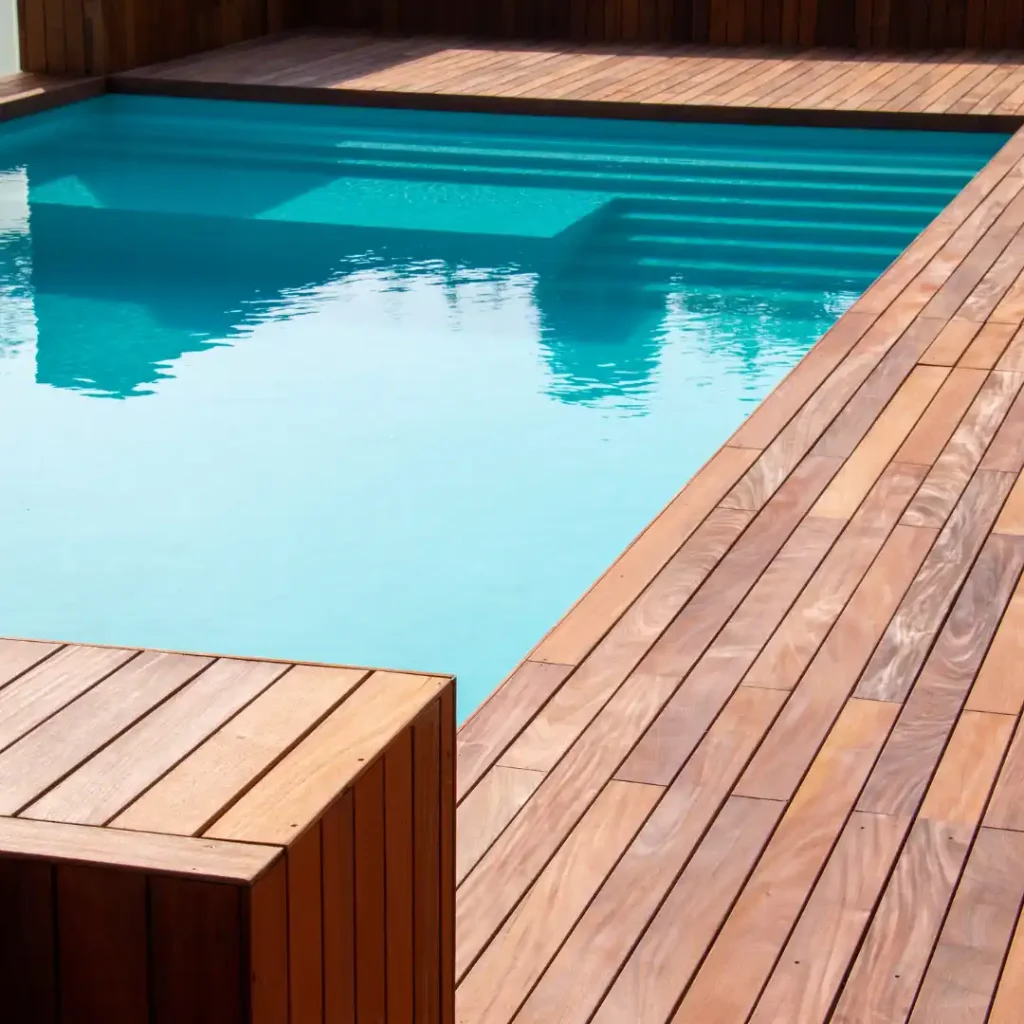
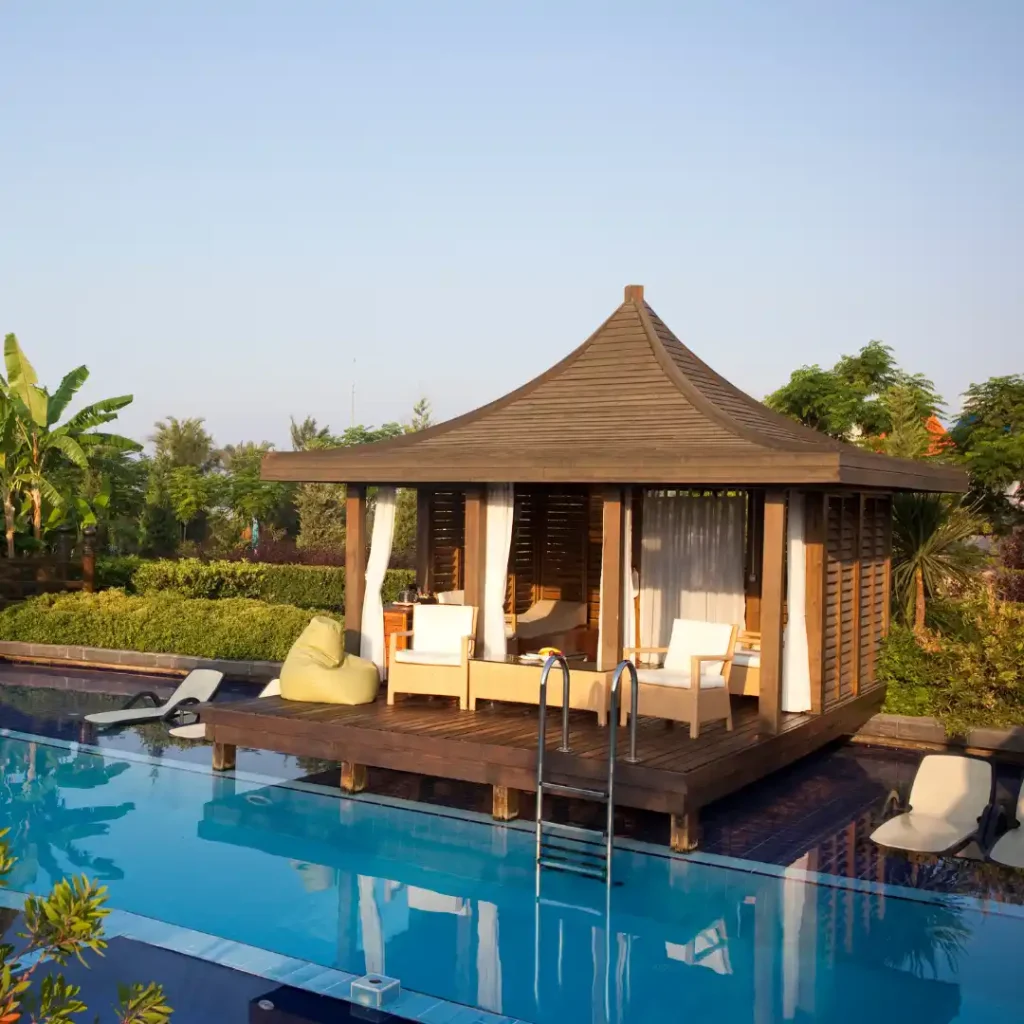
A well-designed pool deck improves both safety and usability. Our pool deck builders construct decking around pools that blends functionality with clean design.
Pool decking services include:
Decking around pool areas
Composite pool decking
Timber pool decks
Deck extensions connecting pools and patios
Pool deck builders carefully plan drainage, spacing and surface finishes to suit pool environments. Whether you want a deck built around an existing pool or part of a new outdoor layout, our deck builders can help create a smooth transition between your home, deck and pool area.
Deck Privacy Screens, Fencing & Outdoor Features
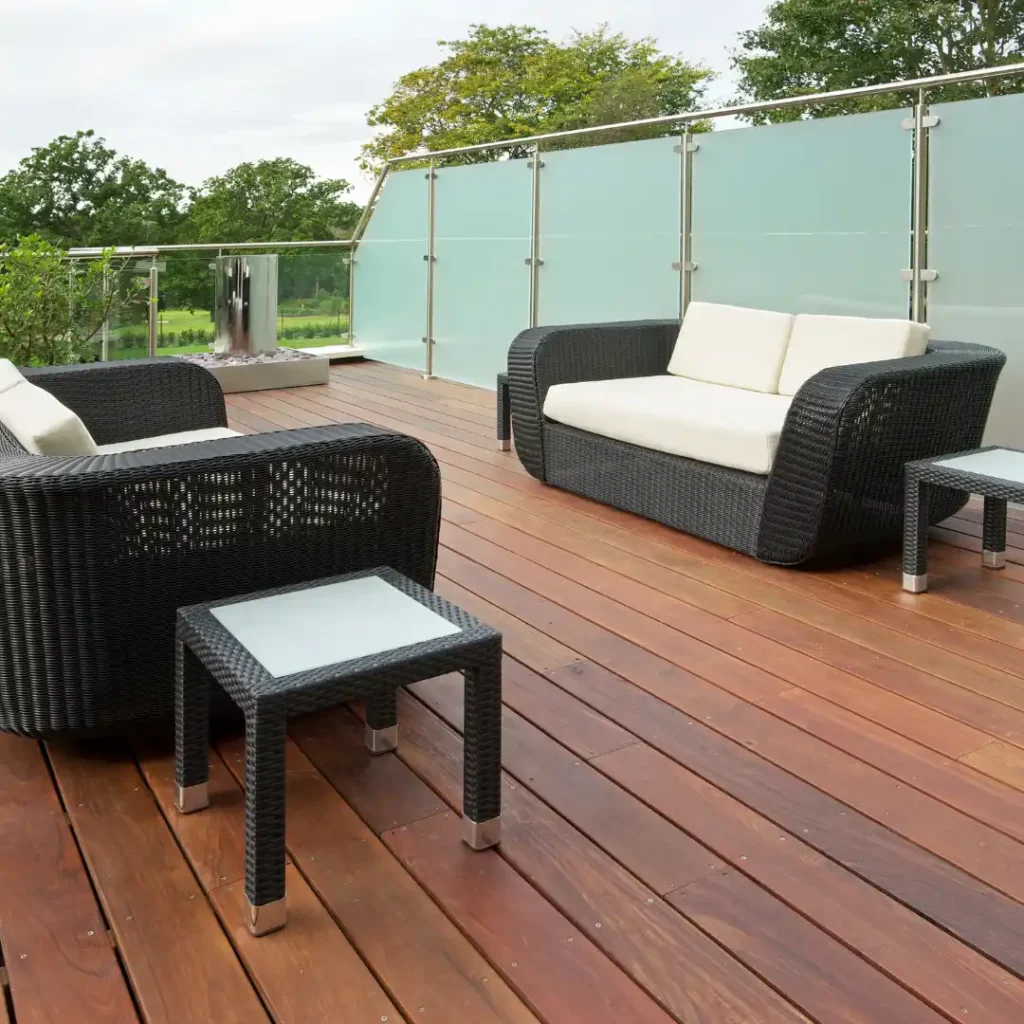
To improve comfort and privacy, we also build privacy screens for decks and integrated outdoor features. These additions help define your space while offering protection from wind, sun and neighbouring properties.
Outdoor deck additions include:
Privacy screens for decks and patios
Deck fencing and balustrades
Screens for pool decks
Deck roofing and covered patio decks
Privacy screens are commonly combined with decking and patios to create more usable outdoor areas throughout the year. We also offer fencing and decking solutions where decks require boundaries or pool-compliant fencing layouts.
Get a Deck Quote on the Sunshine Coast
If you are looking for deck builders Sunshine Coast or a reliable deck contractor, Sunshine Coast Carpentry is ready to assist.
Whether you’re planning:
A new deck
Composite decking installation
Pool decking
Deck extensions or re-decking
Decks and patios combined
We can help bring your outdoor space together with practical and well-built decking solutions.
Contact Sunshine Coast Carpentry today to request a deck quote and discuss your decking project.
Deck Design Considerations for Sunshine Coast Homes
When planning a new deck, design decisions should always be based on how the space will be used, the surrounding environment, and the layout of the property. Deck builders often start by assessing foot traffic, furniture placement, sun exposure, and access points from the home. A well-designed deck feels like a natural extension of the house rather than an add-on.
Deck orientation plays a major role in comfort. Decks exposed to full sun may benefit from partial roofing, pergolas, or privacy screens to reduce heat and glare. For properties with sloping land, elevated or stepped decks can create usable outdoor space without major ground works. Multi-level decks are also commonly used to separate dining areas from relaxation zones.
Materials should be chosen based on location and usage. Hardwood decking provides a natural look and works well for entertaining areas, while composite decking is often preferred for high-traffic decks or areas exposed to moisture. The shape and size of the deck should allow for movement without overcrowding, especially where decks connect to patios, pool areas, or outdoor stairs.
Designing deck edges, stairs, and transitions is equally important. Safe step heights, non-slip surfaces, and consistent board spacing all contribute to long-term usability. Deck builders also consider how lighting, fencing, and privacy screens can be integrated during the design phase rather than added later.
A well-planned deck design improves daily use, reduces maintenance issues, and ensures the finished structure complements the home and outdoor environment.
Choosing the Right Decking Materials: Timber vs Composite
Selecting the right decking material is one of the most important decisions when building a deck. The two most common options are timber decking and composite decking, each offering different benefits depending on how the deck will be used.
Timber decking is widely used for its natural appearance and versatility. Hardwood decking is known for strength and durability, making it suitable for larger decks, patios, and outdoor entertaining areas. Timber boards can be cut, shaped, and finished to suit custom layouts and curved designs. Over time, timber decking may require re-oiling or re-decking to maintain its appearance and performance.
Composite decking is manufactured from a blend of materials designed for outdoor use. It is often chosen for its low-maintenance surface and resistance to moisture. Composite decks are commonly installed in pool areas, walkways, and family spaces where regular cleaning is preferred over refinishing. Composite decking boards maintain consistent colour and texture, even with regular use.
Slip resistance is another key factor, particularly for pool decking and shaded areas. Many composite decking options are designed to improve grip, while timber decking relies on correct installation and surface treatments. Heat retention, drainage, and board spacing should also be considered, especially in outdoor areas exposed to direct sunlight.
Understanding the strengths of each material allows homeowners to choose decking that matches their lifestyle, maintenance preferences, and long-term expectations.
Decking Around Pools: Safety, Layout & Practical Planning
Decking around a pool requires careful planning to ensure safety, comfort, and functionality. Pool decks are exposed to water, foot traffic, and changing weather conditions, making material selection and layout especially important.
One of the first considerations is surface safety. Pool decking should provide slip resistance, even when wet. Composite decking is often used around pools due to its textured surface and moisture resistance, while timber decking can also perform well when installed with proper spacing and drainage. Board gaps allow water to escape and reduce pooling on the surface.
Layout planning focuses on movement and access. Pool decks should allow clear pathways between the house, pool entry points, and seating areas. Steps, edges, and transitions must be designed with consistent heights to reduce trip hazards. For raised decks, secure balustrades or deck fencing may be required depending on height and location.
Drainage and ventilation are critical for long-term performance. Pool decking should never trap water beneath the structure, as this can lead to premature wear. Deck builders often incorporate slight gradients and airflow gaps to manage moisture effectively.
Additional features such as privacy screens, shaded sections, or built-in seating can improve comfort without compromising safety. When planned correctly, decking around a pool enhances usability while maintaining a clean, open outdoor layout.
Deck Maintenance, Longevity & Future-Proofing
Proper planning and maintenance significantly impact how long a deck remains safe and visually appealing. While different materials require different care, all decks benefit from thoughtful installation and routine upkeep.
Timber decking requires periodic cleaning to remove dirt and organic buildup. Depending on exposure, timber may need re-oiling or resealing to maintain colour and protect against moisture. Regular inspections help identify loose boards, fixings, or areas of wear before they become larger issues.
Composite decking generally requires less maintenance, making it popular for high-use areas. Basic cleaning with water and mild detergent is usually sufficient to keep composite boards looking consistent. While composite decking does not require staining, it should still be checked for proper drainage and structural integrity over time.
Future-proofing a deck begins during construction. Adequate support spacing, ventilation beneath the deck, and quality fixings all contribute to long-term stability. Deck extensions and re-decking are easier when the original structure is built with flexibility in mind.
Planning for future additions such as deck roofing, privacy screens, or fencing can also save time and cost later. By choosing appropriate materials and maintaining the deck regularly, homeowners can extend the lifespan of their deck and ensure it remains a functional outdoor space for years to come.
Frequently Asked Questions
Carpenters work with timber to build, install, repair, and maintain structural and decorative elements in homes. This includes framing, decking, pergolas, cabinetry, joinery, finish carpentry, and general carpentry repairs.
A carpenter is needed when timber components require professional installation or repair. Common situations include deck repairs, home renovations, pergola construction, custom joinery, timber maintenance, and small carpentry jobs that require skilled workmanship.
Carpenters specialise in timber and wood-based construction, while builders manage entire construction or renovation projects involving multiple trades. Many residential projects only require a qualified carpenter rather than a full building contractor.
Yes. Many local carpenters handle small carpentry jobs such as timber repairs, door and window fixes, deck maintenance, skirting replacement, and general home maintenance carpentry.
Yes. Deck carpenters design, build, repair, and maintain timber decks. This includes new deck installations, deck renovations, structural repairs, and timber refurbishment to improve safety and durability.
Home renovation carpentry can include framing, structural timber modifications, custom cabinetry, joinery, finish carpentry, and repairs. Carpenters play a key role in supporting kitchen, bathroom, and living area renovations.
Finish carpentry focuses on detailed interior timber work such as skirting boards, architraves, doors, trims, stair components, and cabinetry. This type of carpentry improves both functionality and visual appeal.
Custom carpentry and joinery involve designing and building tailored timber solutions such as built-in cabinets, wardrobes, shelving, and storage units. These services are ideal for maximising space and achieving a custom finish.
Yes. Hiring a licensed or qualified carpenter helps ensure carpentry work meets safety standards, building requirements, and proper workmanship practices, especially for structural or renovation projects.
Project timelines depend on the size and complexity of the carpentry work. Small repairs may take a few hours, while decking, pergolas, or renovation carpentry may take several days or longer.
The most common searches for carpenters include decking, pergolas, carpentry repairs, home renovations, custom joinery, finish carpentry, and general maintenance carpentry for residential properties.
Homeowners should look for experienced residential carpenters with relevant skills for their project, clear communication, proper qualifications, and experience in similar carpentry work such as renovations, decking, or repairs.