
Outdoor Pergolas Sunshine Coast
Built with Skill! Expert Carpentry Services Just a Quote Away!
Outdoor Pergolas
Outdoor pergolas are one of the most practical ways to improve outdoor living spaces on the Sunshine Coast. Whether you want shade for a deck, a covered patio area, or a freestanding pergola for your backyard or pool area, a well-designed pergola adds function, comfort, and structure to your home.
At Sunshine Coast Carpentry, we provide outdoor pergola design and construction for residential properties across the Sunshine Coast (QLD). Our work focuses on creating pergolas that suit the layout of your home, your outdoor area, and how you actually use the space—without unnecessary features or over-complication.
From timber pergolas and aluminium pergolas to pergolas with a roof, deck pergolas, and freestanding pergola structures, we build outdoor pergolas that are practical, durable, and designed to last in local conditions.
Request A Quote
Fill out the form below and we’ll be in touch ASAP.
Outdoor Pergola Design Options for Sunshine Coast Homes
Every outdoor space is different, which is why pergola design should be based on how the area will be used. We offer a range of outdoor pergola design options that can be adapted to suit patios, decks, pool areas, gardens, and alfresco spaces.
Common outdoor pergola styles include:
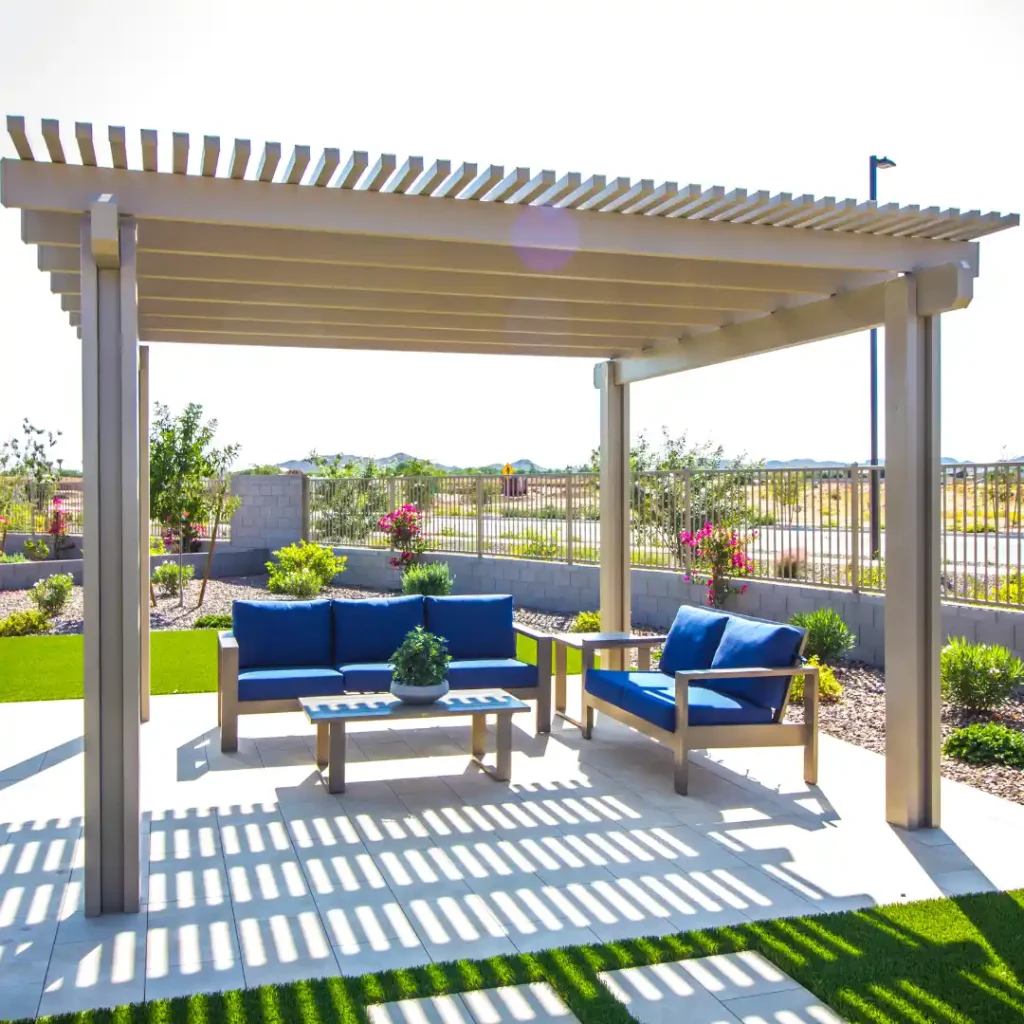
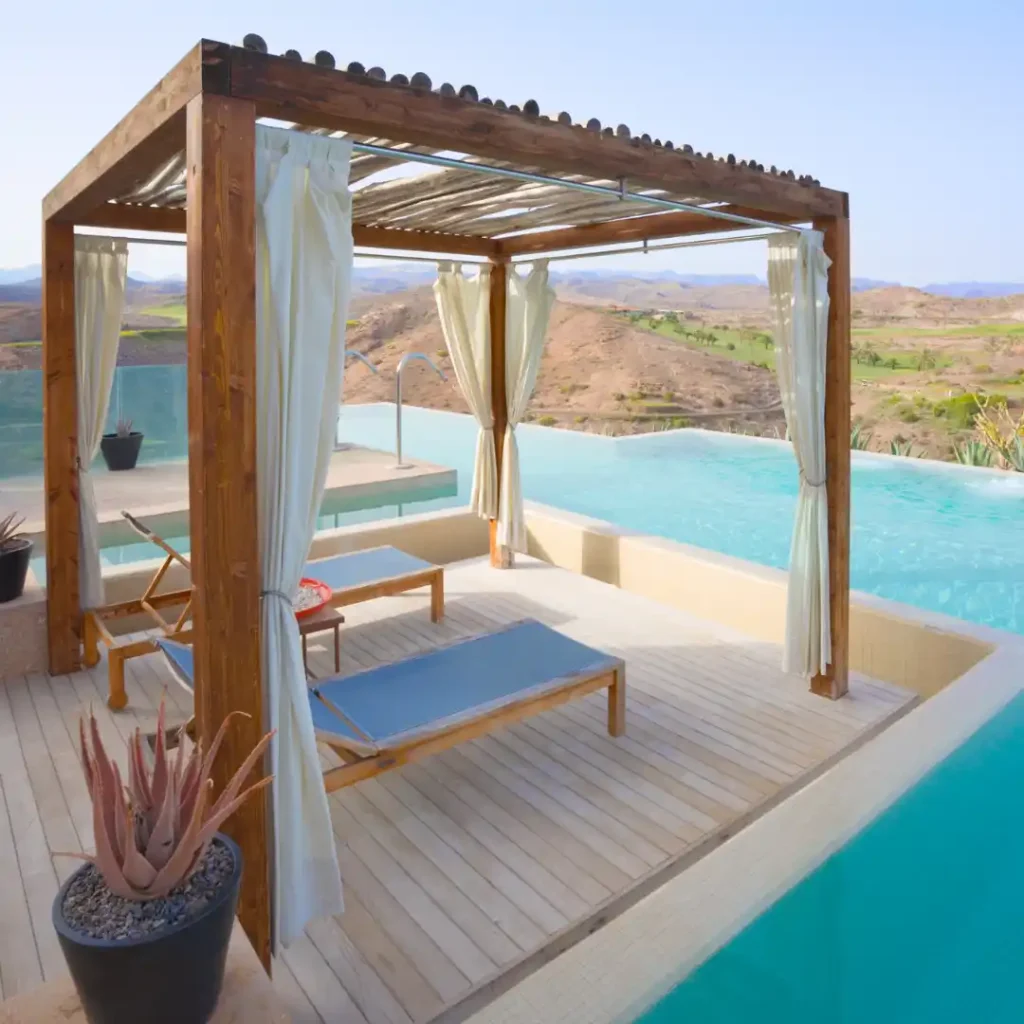
Freestanding pergolas for gardens, lawns, and pool areas
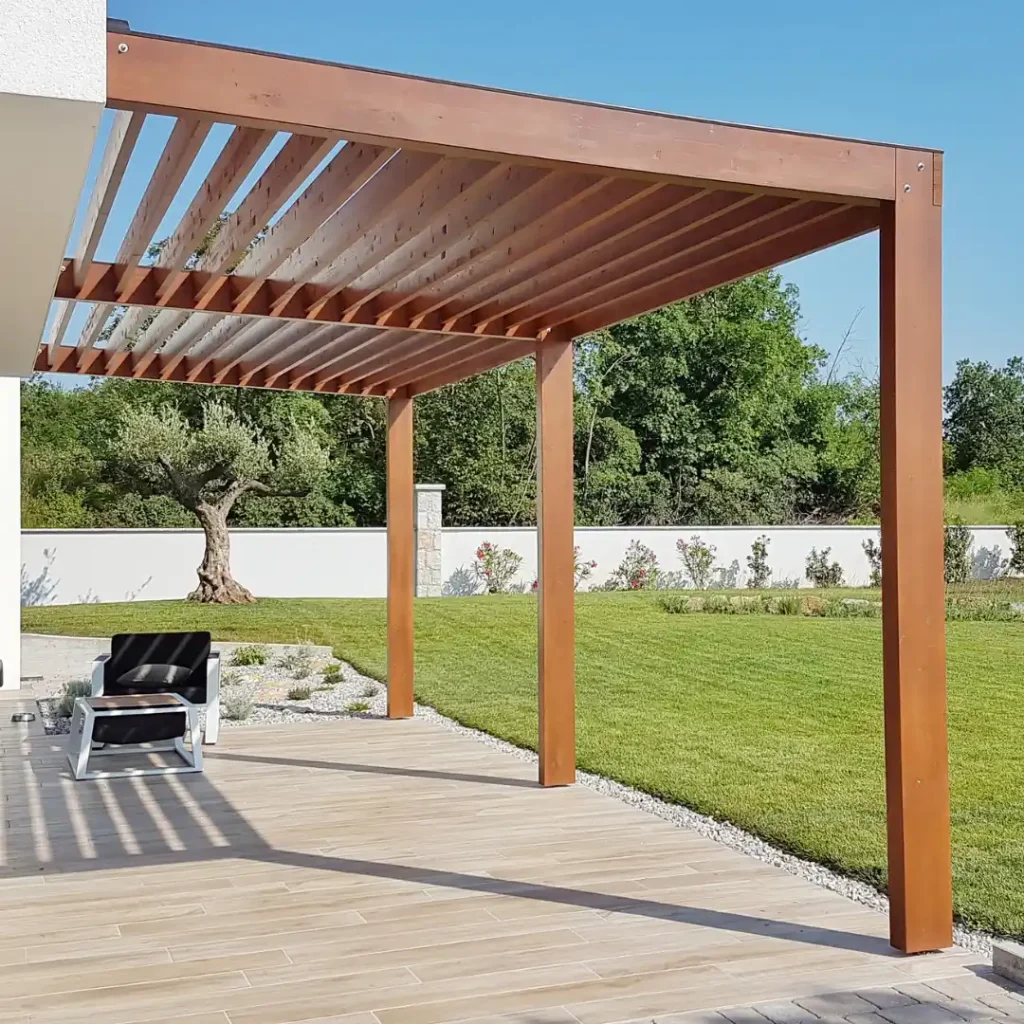
Pergolas attached to the house for patios and outdoor entertaining areas
Pergolas over decks to create covered deck spaces
Open pergolas for filtered light and airflow
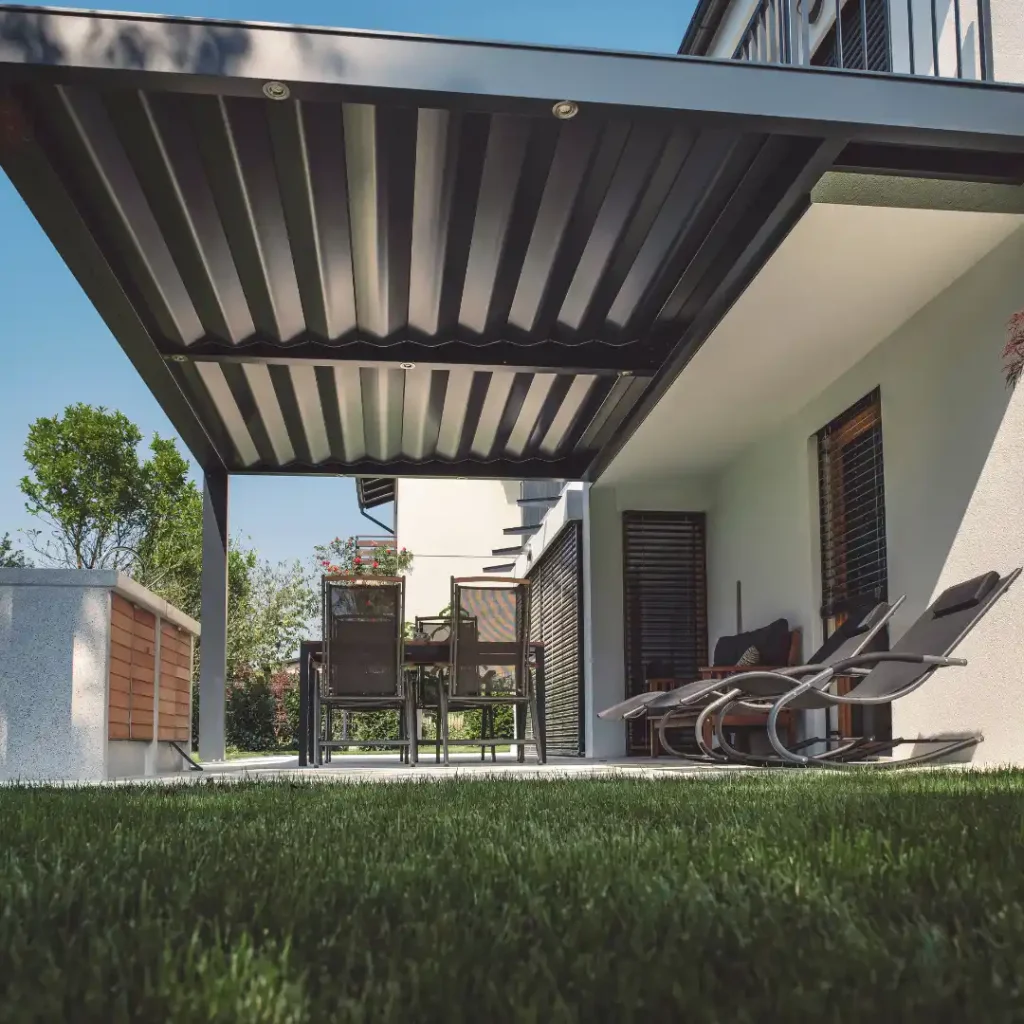
Pergolas with a roof for weather protection
Deck pergolas integrated into existing decking structures
Design considerations include pergola height, post placement, roof style, shade coverage, and how the structure connects to existing outdoor areas. Whether you’re looking for a simple pergola or a custom pergola design, we can help you to create a structure that works with your home.
Timber, Aluminium & Steel Pergolas – Material Choices Explained
Choosing the right materials is a key part of building outdoor pergolas that last on the Sunshine Coast. Each material has its own benefits depending on location, exposure, and personal preference.
Timber Pergolas
Timber pergolas are a popular choice for outdoor living spaces. They work well with decks, gardens, and traditional home designs. Options include:
Treated pine pergolas
Hardwood pergolas
Timber pergola frames and posts
Timber pergolas can be left open or combined with roofing materials such as polycarbonate roof panels.
Aluminium Pergolas
Aluminium pergolas are low-maintenance and suit modern outdoor areas. They are commonly used for:
Pergolas with a roof
Patio roofing structures
Freestanding pergolas with clean lines
Aluminium pergola frames and posts offer durability while keeping the structure lightweight.
Steel Pergolas
Steel frame pergolas are ideal for larger spans or heavy-duty pergola structures. Steel pergolas are often used where strength and long-term stability are required, such as:
Pool pergolas
Large outdoor shade structures
Pergolas with insulated roof panels
Material selection is always based on the site, design, and how the pergola will be used.
Pergolas for Decks, Patios & Outdoor Living Areas
Outdoor pergolas are commonly built over decks and patios to create usable outdoor living spaces. A deck pergola provides shade while keeping the area open and connected to the home.
Popular pergola applications include:
Pergola over deck for outdoor dining
Covered pergola on deck for year-round use
Pergolas and patios combined into one structure
Pergolas for alfresco areas
Pergolas for outdoor entertaining areas
Pergolas can also be paired with:
Outdoor screens
Privacy screens for decks and patios
Shade panels or pergola roof panels
The right pergola layout improves comfort, usability, and outdoor flow without fully enclosing the space.
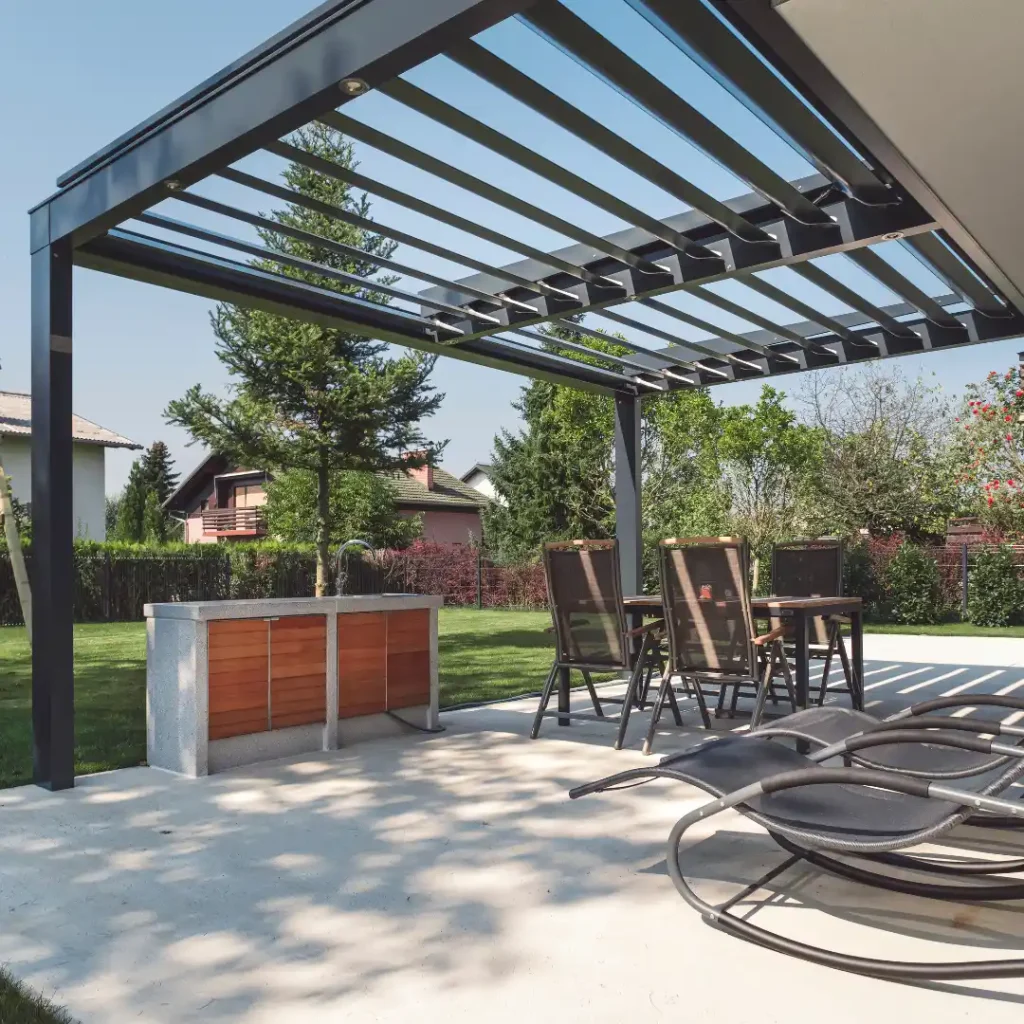
Pergolas With Roofs, Shade Structures & Weather Protection
Many homeowners choose outdoor pergolas with a roof to improve protection from sun and rain. Roofing options allow outdoor areas to be used more often throughout the year.
Pergola roofing options include:
Polycarbonate roof pergola panels
Insulated pergola roof panels
Patio roof panels
Solid pergola roofing systems
Roofed pergolas are ideal for:
Patio roofing
Deck roof structures
Outdoor shade pergolas
Covered outdoor living spaces
Roof design can be fixed or designed to allow natural light while reducing heat and glare.
Pergola Construction Process – What to Expect
Building outdoor pergolas involves more than just posts and beams. Proper pergola construction ensures the structure is stable, functional, and suited to the site.
Typical pergola construction steps:
Measuring and assessing the outdoor area
Selecting pergola materials and design style
Installing concrete footings for pergola posts
Building the pergola frame
Installing roofing, shade panels, or screens (if required)
Final adjustments and finishing details
Whether it’s a freestanding pergola, deck pergola, or pergola attached to the house, careful planning ensures the pergola fits correctly and performs as intended.
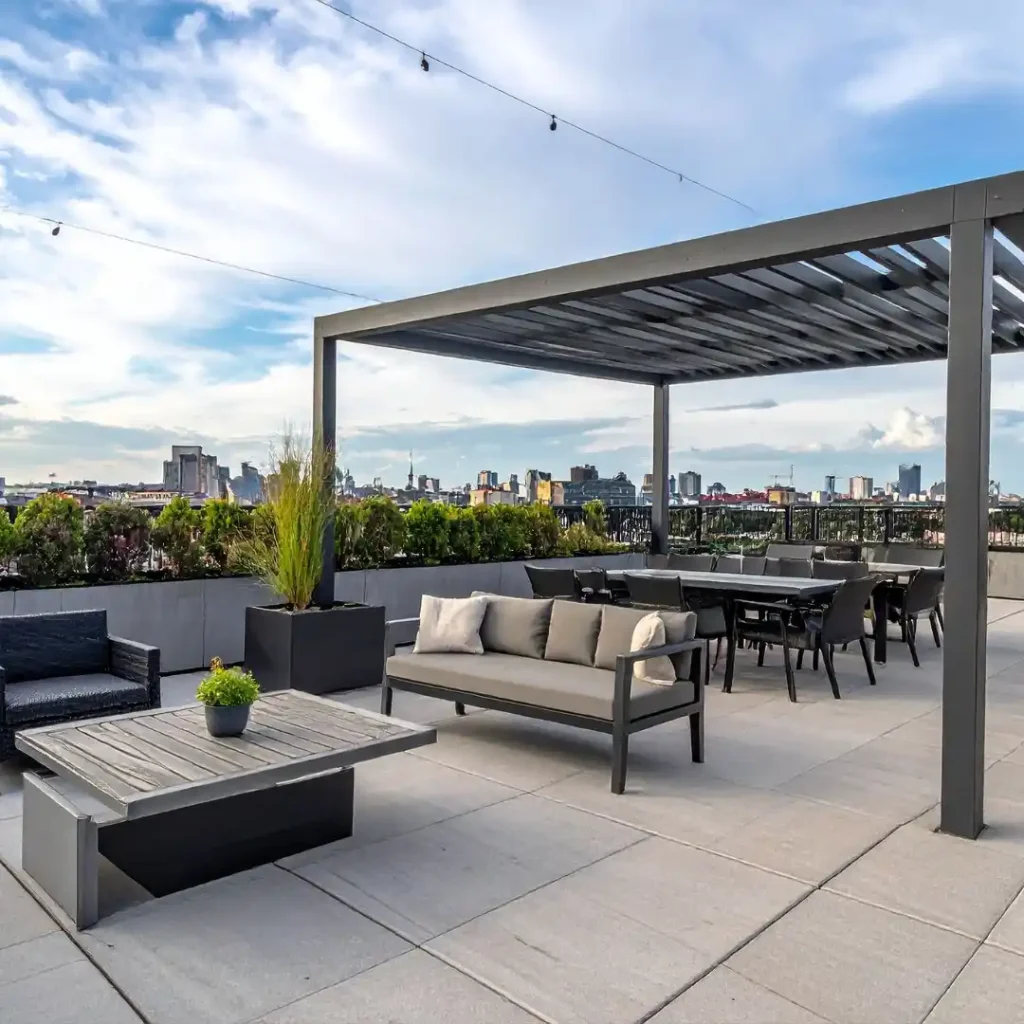
Outdoor Pergolas Sunshine Coast – Get Started Today
If you’re looking to improve your outdoor area with a custom outdoor pergola, Sunshine Coast Carpentry can help you plan and build a structure that suits your space and lifestyle.
We work on:
Outdoor pergolas Sunshine Coast
Pergola construction and installation
Timber pergolas and aluminium pergolas
Pergolas for decks, patios, and pool areas
Outdoor shade structures and pergola roofing
A well-built pergola creates shade, defines outdoor areas, and makes outdoor living more comfortable. Whether you need a simple pergola or a fully roofed outdoor structure, the right design makes all the difference.
Contact Sunshine Coast Carpentry today to discuss your outdoor pergola project and explore practical design options for your home.
Outdoor Pergolas Sunshine Coast: Choosing the Right Pergola Type for Your Space
Choosing the right outdoor pergola starts with understanding how your outdoor area is used and how much coverage you actually need. On the Sunshine Coast, pergolas are commonly built for decks, patios, pool areas, gardens, and outdoor entertaining zones. The most suitable pergola type depends on layout, sun direction, wind exposure, and whether the structure needs a roof.
Freestanding pergolas are ideal for open yards, pool decks, and garden areas. They allow flexible placement and work well as shade structures near swimming pools or as standalone outdoor living zones. These pergolas can be open or built with a roof, depending on how much sun protection is required.
Pergolas attached to the house are often used for patios and alfresco areas. These structures extend the usable living space outdoors and provide consistent shade near the home. Attached pergolas are commonly used for outdoor dining and covered patios.
Pergolas over decks are a practical solution when a deck is exposed to direct sunlight. A deck pergola provides overhead shade without fully enclosing the area. Options include open pergolas, pergolas with polycarbonate roofing, or pergolas combined with outdoor screens.
Other layout considerations include:
-
Pergola height and airflow
-
Orientation for morning or afternoon sun
-
Distance from boundary lines
-
Integration with existing decks or patios
By choosing the correct pergola type, homeowners avoid unnecessary costs and ensure the outdoor pergola improves comfort, shade, and usability year-round.
Pergola Materials Explained: Timber vs Aluminium vs Steel Pergolas
The materials used in outdoor pergolas directly affect durability, maintenance, appearance, and long-term performance. On the Sunshine Coast, pergolas are exposed to sun, humidity, and coastal conditions, making material choice especially important.
Timber pergolas remain one of the most popular options. Timber works well with decks, gardens, and traditional outdoor spaces. Treated pine is commonly used for pergola frames, while hardwood offers a more natural and solid appearance. Timber pergolas can be open or fitted with pergola roof panels for added protection.
Aluminium pergolas are increasingly used for modern homes and low-maintenance outdoor areas. Aluminium pergola frames are lightweight, resistant to corrosion, and suitable for pergolas with roofs. They are often paired with insulated patio roof panels or polycarbonate roofing.
Steel pergolas provide added strength and are often chosen for large spans, heavy-duty pergola structures, or pergolas with roof systems. Steel frame pergolas are commonly used for pool pergolas, wide patios, and outdoor structures that require additional support.
When selecting pergola materials, key factors include:
-
Exposure to sun and weather
-
Desired maintenance level
-
Structural span requirements
-
Compatibility with existing decks or patios
Understanding pergola materials helps homeowners choose a structure that suits both their outdoor space and long-term expectations.
Pergolas With Roofs: Shade, Rain Protection & Year-Round Outdoor Use
Many people searching for outdoor pergolas are specifically looking for pergolas with a roof. A roofed pergola increases usability by providing protection from sun and rain while still maintaining an open outdoor feel.
Common pergola roof options include:
-
Polycarbonate roof pergolas
-
Insulated pergola roof panels
-
Patio roof panels
-
Solid pergola roofing systems
Polycarbonate roof panels allow light to pass through while reducing UV exposure. These panels are popular for deck pergolas and patios where brightness is still desired.
Insulated pergola roof panels are used where heat reduction is important. They help regulate temperature and are often installed over outdoor entertaining areas or patios that are used year-round.
Roofed pergolas are suitable for:
-
Outdoor patios
-
Covered decks
-
Alfresco dining areas
-
Poolside pergolas
-
Outdoor shade structures
Design factors such as roof pitch, drainage, and airflow play an important role in comfort. A well-designed pergola roof improves shade, protects outdoor furniture, and makes the space usable in changing weather conditions.
Pergola Cost Factors: What Affects Outdoor Pergola Pricing
Understanding pergola cost helps homeowners plan their outdoor project more effectively. The cost of building an outdoor pergola varies based on several practical factors rather than just size alone.
Key factors that affect pergola cost include:
-
Pergola size and height
-
Type of pergola (freestanding or attached)
-
Material choice (timber, aluminium, or steel)
-
Roofing options (open pergola vs pergola with roof)
-
Installation over decks or existing structures
A simple open pergola is generally more affordable than a pergola with insulated roof panels or complex framing. Pergolas built over decks may require additional structural support, which can affect pricing.
Other considerations include:
-
Concrete footings for pergola posts
-
Roof drainage and guttering
-
Privacy screens or outdoor screens
-
Custom pergola designs
Rather than focusing only on pergola price, it’s important to consider how the structure will be used. A pergola designed for daily outdoor living may justify additional features that improve comfort and durability over time.
By understanding pergola cost factors, homeowners can make informed decisions and choose an outdoor pergola that balances function, design, and long-term value.
Frequently Asked Questions
Carpenters work with timber to build, install, repair, and maintain structural and decorative elements in homes. This includes framing, decking, pergolas, cabinetry, joinery, finish carpentry, and general carpentry repairs.
A carpenter is needed when timber components require professional installation or repair. Common situations include deck repairs, home renovations, pergola construction, custom joinery, timber maintenance, and small carpentry jobs that require skilled workmanship.
Carpenters specialise in timber and wood-based construction, while builders manage entire construction or renovation projects involving multiple trades. Many residential projects only require a qualified carpenter rather than a full building contractor.
Yes. Many local carpenters handle small carpentry jobs such as timber repairs, door and window fixes, deck maintenance, skirting replacement, and general home maintenance carpentry.
Yes. Deck carpenters design, build, repair, and maintain timber decks. This includes new deck installations, deck renovations, structural repairs, and timber refurbishment to improve safety and durability.
Home renovation carpentry can include framing, structural timber modifications, custom cabinetry, joinery, finish carpentry, and repairs. Carpenters play a key role in supporting kitchen, bathroom, and living area renovations.
Finish carpentry focuses on detailed interior timber work such as skirting boards, architraves, doors, trims, stair components, and cabinetry. This type of carpentry improves both functionality and visual appeal.
Custom carpentry and joinery involve designing and building tailored timber solutions such as built-in cabinets, wardrobes, shelving, and storage units. These services are ideal for maximising space and achieving a custom finish.
Yes. Hiring a licensed or qualified carpenter helps ensure carpentry work meets safety standards, building requirements, and proper workmanship practices, especially for structural or renovation projects.
Project timelines depend on the size and complexity of the carpentry work. Small repairs may take a few hours, while decking, pergolas, or renovation carpentry may take several days or longer.
The most common searches for carpenters include decking, pergolas, carpentry repairs, home renovations, custom joinery, finish carpentry, and general maintenance carpentry for residential properties.
Homeowners should look for experienced residential carpenters with relevant skills for their project, clear communication, proper qualifications, and experience in similar carpentry work such as renovations, decking, or repairs.